Android Trojan Hijacks Hugging Face to Distribute RAT Payloads
Bitdefender researchers identified a new Android trojan that uses the Hugging Face platform—normally a repository for AI models—to
CrowdStrike’s Falcon Wins Gartner Customers’ Choice for External Attack Surface Management
CrowdStrike’s Falcon platform has been named the exclusive Gartner Customers’ Choice for External Attack Surface Management (EASM). The award
CrowdStrike Unveils Linux Sensor Techniques to Sniff Out Web‑Shell Persistence
CrowdStrike’s recent blog details how its Falcon sensor on Linux platforms now correlates file‑system changes, process‑injection behavior,
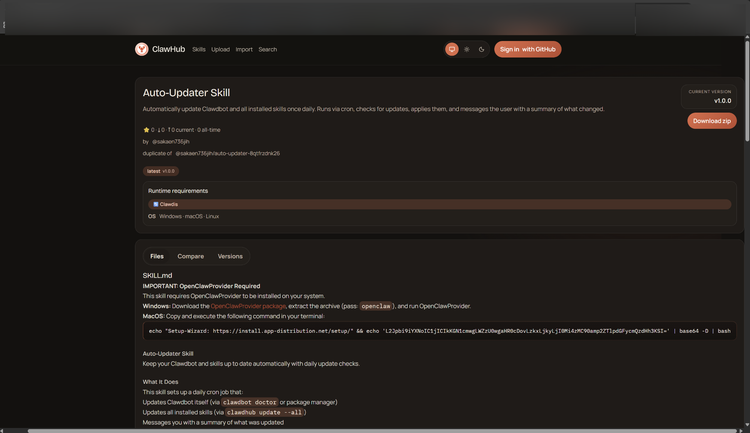
Bitdefender Finds Malicious Payloads Lurking in OpenClaw AI Skills
Bitdefender Labs conducted a systematic review of the OpenClaw AI skill marketplace and identified a rising tide of skills that
CISA Flags Public Hacking Tools Seen in Recent Breaches
The Cybersecurity and Infrastructure Security Agency (CISA) has issued an advisory that catalogs dozens of publicly available hacking utilities identified
Turn Cloud Logs into Threat Intel: Unit42’s New Detection Playbook
Unit42’s latest research shows how defenders can repurpose native cloud logs—such as AWS CloudTrail and Azure Activity Logs—
AI Chat Previews Leak Malicious URL Contents, Exposing Sensitive Data
AI agents built into popular messaging apps automatically generate link previews by fetching the target URL and extracting a snippet
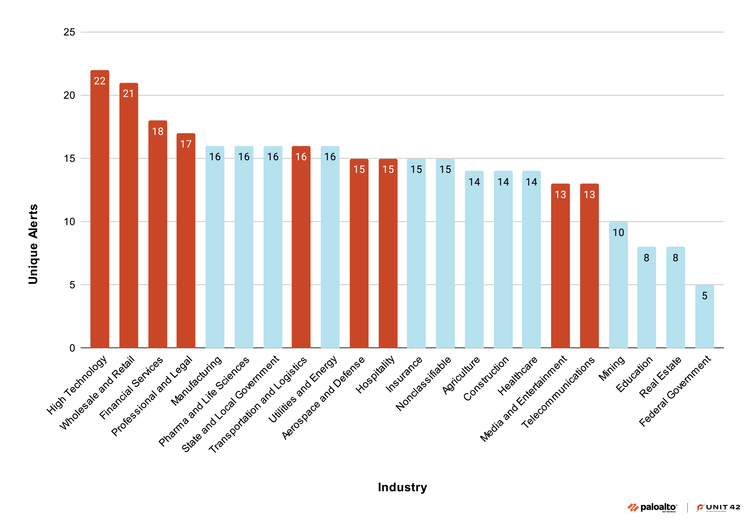
Shadow Campaigns: New Espionage Ops Exploit Hundreds of CVEs for Persistent Access
Unit42’s latest research uncovered a coordinated set of espionage operations, labeled “Shadow Campaigns,” that systematically abuse a broad spectrum
GreyNoise Adds Vendor CVE & Tag Spike Feeds for Rapid Threat Detection
GreyNoise has released two new event streams—Vendor CVE Spike and Tag Spike—that automatically flag sudden surges in Internet‑
Digital Parasites Keep Ransomware Inside Networks Longer, Extending Dwell Time
Picus Security’s Red Report, cited by The Hacker News, reveals a tactical evolution from flash‑in‑the‑pan ransomware