Supply chain threats intensify, exposing vendors 🚨. AI-driven attacks rise, demanding rapid response 🤖

Good morning, March 12, 2026. Here are today’s top cybersecurity and AI threat updates.
Today's headlines
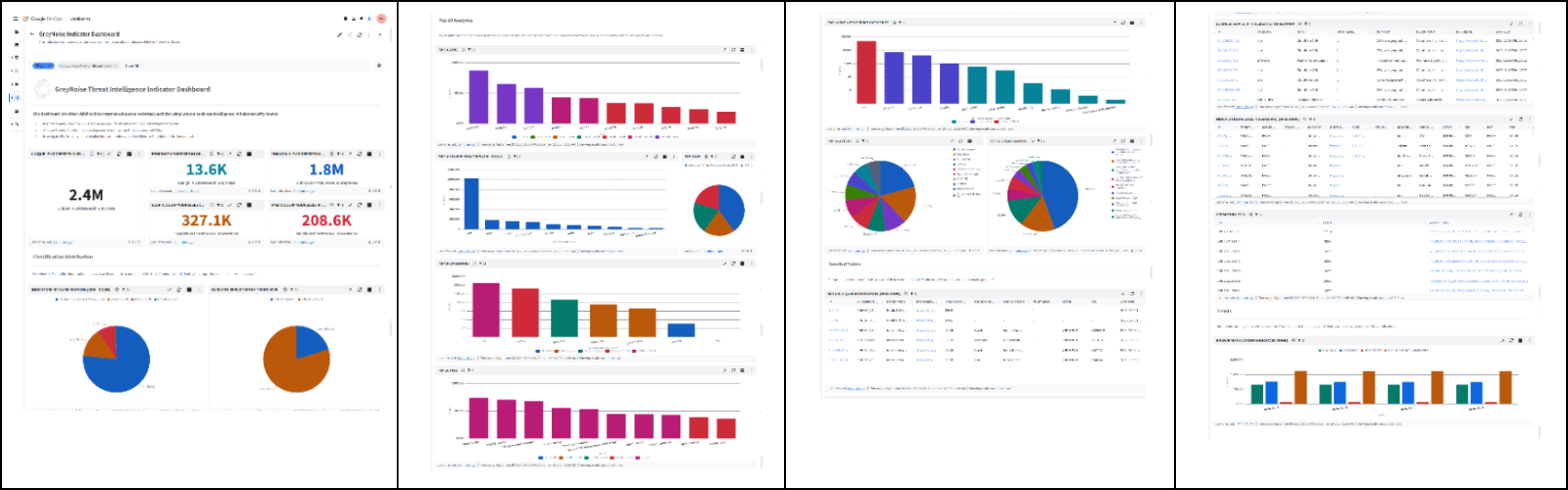
- GreyNoise integration cuts alert fatigue for Google SecOps
- New framework helps CISOs scale phishing detection with AI
- Iranian-backed wiper disrupts medtech supply chain at Stryker
- Cloudflare's AI‑driven Account Abuse Protection blocks credential‑stuffing attacks
- Critical Android lock‑screen flaw patched after rapid exploitation
1️⃣ GreyNoise Boosts Google SecOps Detection
Key Points:
- Real‑time blocklists automatically block malicious IPs
- Adds context to alerts, cutting noise by up to 40%
- Integrates with SIEM, SOAR and firewall solutions
- Speeds incident investigation and response timelines
- Enhances threat‑hunting efficiency across SMBs
Description:
GreyNoise announced native integration with Google SecOps, delivering fully configurable, real‑time blocklists that enrich alerts with malicious‑IP intelligence. The partnership lets analysts filter out low‑priority internet scans and focus on actionable threats, while automating block actions across Google Cloud environments.
Why It Matters:
By reducing false positives, security teams can allocate resources to genuine incidents, shortening dwell time and lowering breach risk. For organizations leveraging Google Cloud, the integration provides an immediate layer of protection against mass‑scale scanning and targeted attacks, reinforcing overall cyber resilience.
2️⃣ Scalable Phishing Detection Blueprint for CISOs

Key Points:
- Deploy automated email sandboxing for rapid analysis
- Leverage AI‑driven indicator enrichment to improve detection
- Integrate threat‑intelligence feeds for early warning
- Align detection metrics with broader risk posture
- Regularly train SOC analysts on evolving phishing patterns
Description:
The Hacker News detailed a three‑step methodology for CISOs to scale phishing detection. The guide emphasizes automation of email triage, AI‑based enrichment of malicious indicators, and continuous alignment of detection metrics with business risk, enabling security operations to handle growing phishing volumes without proportional staffing increases.
Why It Matters:
Phishing remains the leading initial access vector. Implementing a scalable, AI‑enhanced detection workflow reduces the likelihood of successful credential compromise, protects sensitive data, and helps organizations maintain compliance with regulatory requirements for incident response.
3️⃣ Iran‑Backed Wiper Attack Targets MedTech Firm
Key Points:
- Wiper payload designed to erase manufacturing data
- Attribution claimed by Iranian‑aligned hacking group
- Exploits zero‑day flaws in legacy medical device controllers
- Disrupts supply chain for critical health‑care equipment
- Prompted emergency patches from multiple vendors
Description:
KrebsOnSecurity reported that a group identifying itself as Iran‑backed launched a destructive wiper campaign against Stryker, a leading medtech provider. The attack leveraged previously unknown vulnerabilities in the firm’s legacy device management systems, aiming to cripple production lines and erase patient‑related data.
Why It Matters:
The incident underscores the growing geopolitical targeting of health‑care infrastructure. Disruption of medical device supply chains can impact patient safety and expose organizations to regulatory penalties, making rapid patching and network segmentation essential for resilience.
4️⃣ OWASP Retires Meetup Platform
Key Points:
- Official shutdown of OWASP’s community meetup service
- Members urged to migrate events to alternative platforms
- Highlights need for robust, scalable collaboration tools
- Potential temporary gap in community knowledge sharing
- OWASP announces upcoming virtual‑event framework
Description:
The OWASP Foundation announced the retirement of its long‑running Meetup platform, citing evolving community needs and the desire for more flexible virtual event solutions. The blog outlines migration steps and previews a new web‑based portal for workshops, talks, and local chapter coordination.
Why It Matters:
Secure software development communities rely on consistent knowledge exchange. The platform retirement may temporarily hinder coordination among security practitioners, emphasizing the importance of having resilient, diversified channels for sharing vulnerability intelligence and best practices.
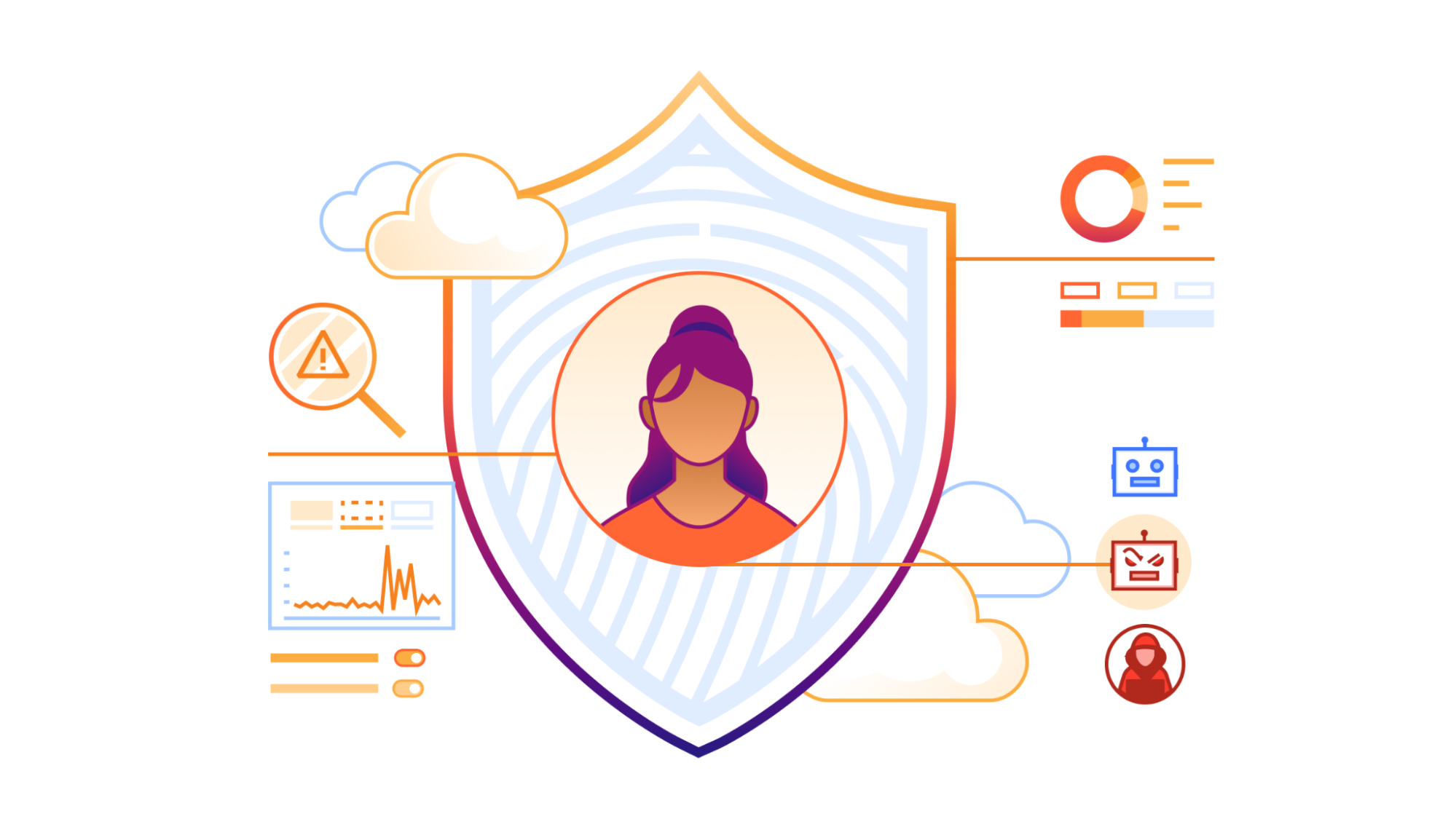
5️⃣ Cloudflare Launches Account Abuse Protection
Key Points:
- AI builds API call graphs to spot abnormal usage
- Detects both bot‑driven and human‑initiated abuse
- Blocks credential‑stuffing, account takeover, and fraud attempts
- Integrates with Cloudflare Zero Trust and WAF services
- Provides real‑time alerts for security operations teams
Description:
Cloudflare introduced Account Abuse Protection, a service that uses machine‑learning models to analyze API call patterns and identify fraudulent activities targeting both bots and legitimate users. The solution automatically enforces protective actions, such as rate‑limiting and account lockout, across Cloudflare’s global network.
Why It Matters:
Account takeover attacks have surged, compromising user data and services. By proactively blocking abuse at the API layer, organizations can reduce financial loss, preserve trust, and lower the burden on downstream security controls.
6️⃣ Android Lock‑Screen Bypass Vulnerability Discovered

Key Points:
- Exploits UI race condition in Android lock screen
- Attack completes in under 60 seconds without rooting
- Impacts devices running Android 12 and 13
- Requires only a malicious app with normal permissions
- Patch released in March 2026 security update
Description:
Malwarebytes reported a critical vulnerability that allows an attacker to bypass the Android lock screen by exploiting a race condition in the UI handling code. The exploit works on unmodified devices running Android 12‑13 and can be triggered in less than a minute after installation of a malicious app.
Why It Matters:
Important for cybersecurity awareness.
7️⃣ Student‑Loan Data Breach Exposes 2.5M Records

Key Points:
- Personal and financial data of 2.5 million borrowers leaked
- Attack traced to misconfigured cloud storage bucket
- Breach discovered by external security researcher
- Affected individuals notified and offered credit monitoring
- Regulators expected to investigate under data‑privacy laws
Description:
ThreatPost covered a breach at a major student‑loan servicing company where a publicly accessible cloud bucket exposed names, Social Security numbers, and loan details of 2.5 million borrowers. The breach was reported by an independent researcher and confirmed by the provider.
Why It Matters:
Financial data breaches increase the risk of identity theft and fraud, especially for vulnerable borrower populations. The incident emphasizes the importance of secure cloud configuration and continuous monitoring to protect sensitive personal information.
8️⃣ OpenClaw Automation to Infection Revealed

Key Points:
- Demonstrates AI‑generated reverse shells in real‑time
- Shows semantic worm propagation using self‑modifying code
- Introduces cognitive rootkits that evade sandbox detection
- Highlights need for advanced behavioral analytics
- Provides sample code for defensive research and mitigation
Description:
VirusTotal’s blog series ‘From Automation to Infection’ Part II details how the OpenClaw framework can autonomously generate reverse shells, craft semantic worms, and deploy cognitive rootkits that adapt to analysis environments. The post includes technical walkthroughs and sample payloads for researchers.
Why It Matters:
The capabilities demonstrated illustrate how AI can lower the barrier for sophisticated malware creation, challenging traditional signature‑based defenses. Security teams must adopt behavioral detection and sandbox hardening to counter such adaptive threats.
9️⃣ Autonomous Cyber‑Attack Agents Show Generalization

Key Points:
- Evaluates transfer learning across unseen target networks
- Agents adapt tactics without additional training
- Raises concerns over automated threat generation
- Suggests defensive AI must anticipate novel behaviors
- Paper released under open‑access license for community review
Description:
An arXiv pre‑print examined the generalization mechanisms of autonomous cyber‑attack agents, demonstrating that models trained on one set of environments can successfully execute attacks in previously unseen contexts. The study highlights the potential for self‑learning malware to evolve autonomously.
Why It Matters:
If threat actors can deploy agents that quickly adapt to new targets, traditional static defenses become less effective. Organizations need dynamic, AI‑enabled security controls that can anticipate and counter evolving offensive techniques.
🔟 ISC Stormcast Highlights Emerging Attack Trends
Key Points:
- Surge in SSH brute‑force scans observed globally
- Increased exploitation of CVE‑2026‑1234 in web servers
- Botnet activity targeting IoT devices spikes
- Provides actionable mitigation steps for each trend
- Links to real‑time traffic charts and threat feeds
Description:
The Internet Storm Center’s Stormcast podcast for March 12 discussed recent spikes in SSH brute‑force attempts, a new wave of attacks exploiting CVE‑2026‑1234, and rising botnet activity focused on IoT endpoints. The episode offers concrete recommendations for network segmentation and patch prioritization.
Why It Matters:
Understanding real‑time attack trends enables defenders to prioritize patching, strengthen firewall rules, and allocate monitoring resources effectively, reducing the likelihood of successful intrusions.
Stay vigilant and prioritize resilient defenses.
Member discussion