Student Loan Data Breach, Claude AI Experiments, and Android Anti-Theft Updates 🚀🔐
Hello, here is your Daily Cybersecurity & AI Threat Intelligence roundup for 2026-01-31.
Today's headlines
- Over 2.5 million student loan borrowers affected by a data breach at Nelnet.
- Nelnet took immediate remediation steps, offering credit monitoring and insurance.
- Regulators are examining the student loan breach for potential penalties.
- NASA used Anthropic's Claude AI to generate a Mars rover travel plan.
- Claude AI showed limitations handling the RML standard during the NASA test.
- Android phones now include stronger anti-theft features to deter thieves.
1️⃣ Student Loan Data Breach Exposes 2.5M Records
Key Points:
- 2,501,324 student loan accounts had personal data accessed.
- Exposed data included names, addresses, emails, phone numbers, and SSNs.
- Breach timeline spanned from June to July 2022, discovered in August.
Description:
Nelnet Servicing, the provider for the Oklahoma Student Loan Authority and EdFinancial, disclosed that an unauthorized party accessed personal information of over 2.5 million borrowers. The breach was identified after a vulnerability was detected on July 21, 2022, and the intrusion persisted until July 22, 2022. A formal notice was sent to affected users on August 17, 2022.
Why It Matters:
The exposed personal data puts millions of borrowers at heightened risk of identity theft and fraud. The breach underscores the critical need for robust security controls in education financing platforms and highlights potential regulatory scrutiny for institutions handling sensitive financial data.
2️⃣ Nelnet Responds with Remediation Measures
Key Points:
- Nelnet’s security team secured systems and blocked suspicious activity.
- Affected borrowers received two years of free credit monitoring and identity theft insurance up to $1 million.
- Third‑party forensic experts were engaged to investigate the breach scope.
Description:
Following the discovery of the breach, Nelnet took swift action by isolating the compromised environment, deploying patches, and launching a forensic investigation with external experts. The company also offered comprehensive credit monitoring services and substantial identity theft insurance to all impacted borrowers as part of its remediation strategy.
Why It Matters:
Effective incident response can mitigate damage and restore consumer confidence. Nelnet’s remediation steps serve as a benchmark for how organizations should address large‑scale data exposures, especially in sectors handling sensitive personal finance information.
3️⃣ Regulatory Scrutiny Grows Over Student Loan Breach
Key Points:
- State authorities were notified in accordance with breach disclosure laws.
- Potential fines and corrective action orders may be imposed.
- The incident may trigger broader legislative reviews of student loan data security.
Description:
The breach prompted notifications to state regulators, including the Maine Attorney General’s office, as required by law. Authorities are evaluating whether Nelnet complied with data protection standards and may consider enforcement actions or remedial directives to ensure future compliance.
Why It Matters:
Regulatory consequences can have significant financial and operational impacts on institutions. Ongoing scrutiny may lead to stricter data protection requirements for student loan servicers, influencing industry practices nationwide.
4️⃣ NASA Employs Claude AI for Mars Rover Path Planning
Key Points:
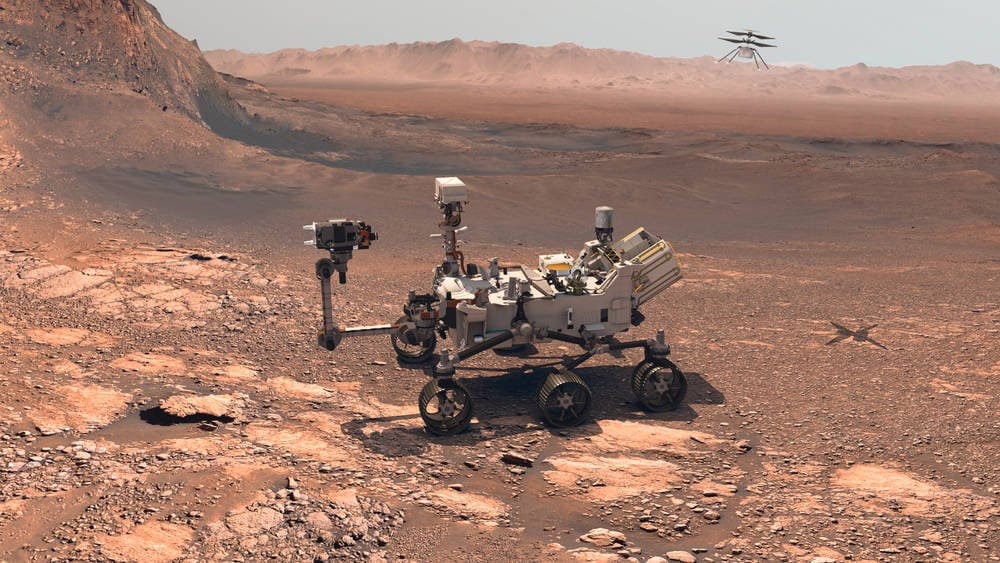
- Anthropic's Claude was used to generate a travel plan for a Mars rover.
- The model initially struggled with the RML standard but eventually produced a viable route.
- NASA leveraged AI to accelerate mission planning workflows.
Description:
NASA experimented with the Claude AI model to draft a travel itinerary for an upcoming Mars rover mission. While Claude initially failed to recognize the Rover Markup Language (RML), after clarification it succeeded in generating a plausible route, demonstrating AI's potential to support complex scientific planning tasks.
Why It Matters:
Successful integration of large language models into space mission planning could reduce development time and costs. The experiment also highlights the importance of clear standards and model transparency when deploying AI in high‑stakes environments.
5️⃣ Claude AI Shows Limits Handling RML Standard
Key Points:
- Claude initially denied knowledge of the Rover Markup Language (RML).
- After being pointed to Anthropic's documentation, the model apologized and attempted a fix.
- The episode illustrates gaps in model training on niche technical standards.
Description:
During NASA's trial, Claude responded that it could not emit RML and claimed unfamiliarity with the format. Upon clarification, Claude acknowledged the oversight and attempted to generate an RML example, revealing limitations in the model's exposure to specialized engineering specifications.
Why It Matters:
Understanding AI model boundaries is crucial for mission-critical applications. The incident stresses the need for thorough validation and possibly fine‑tuning of LLMs when they are expected to handle domain‑specific languages.
6️⃣ Android Introduces New Anti-Theft Capabilities
Key Points:
- Enhanced lock‑screen notifications for unauthorized SIM changes.
- Remote device lock and data wipe options expanded to work over cellular networks.
- Integration with Find My Device to display a custom security message.
Description:
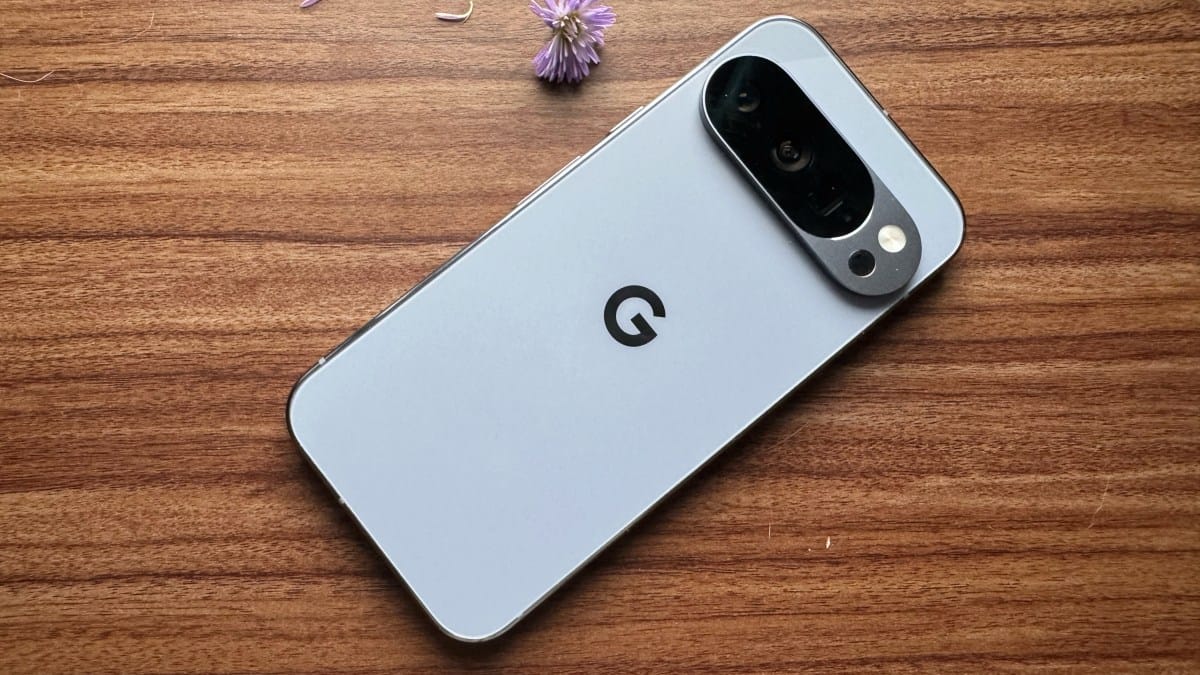
Google announced a suite of anti‑theft updates for Android devices, including real‑time alerts for SIM swaps, broader remote lock capabilities even without Wi‑Fi, and the ability to display personalized messages on lost phones. These features aim to deter thieves and aid owners in recovering stolen hardware.
Why It Matters:
Phone theft remains a major avenue for personal data compromise. Strengthening native anti‑theft tools reduces reliance on third‑party apps and improves overall user security across the Android ecosystem.
Stay vigilant and informed.



Member discussion