Strategic Cyber & AI Threat Landscape: Supply Chain Risks, AI Weaponization, Policy Shifts
7Secure IssueStrategic Cyber & AI Threat Landscape: Supply Chain Risks, AI Weaponization, Policy ShiftsEdited by 7Secure
Apr 4, 2026Cybersecurity IntelligenceDaily briefing for security teams, leaders, and analysts.
April 4, 2026 – Hello security leaders, here's today’s top threat intelligence.
In today's 7Secure briefing:
- IP reputation models are outpaced by rotating malicious IPs.
- Credential‑stealing job offer scams exploit brand trust.
- TeamPCP supply chain attack compromises over 1,000 SaaS services.
- TA416 leverages PlugX and OAuth phishing against EU governments.
- CanisterWorm wiper threatens critical Iranian infrastructure.
Latest DevelopmentsTHREAT INTELLIGENCE1️⃣ Invisible Army: IP Reputation Falters in Rotation Economy
GREYNOISE.IO
GreyNoise explains how the “rotation economy” enables threat actors to recycle IP addresses faster than reputation services can update, rendering static blocklists ineffective for small and mid‑sized businesses and highlighting the need for dynamic, data‑driven threat feeds.
The details:
- Attackers constantly rotate malicious IPs to evade static reputation lists.
- GreyNoise data shows rapid churn rates that outpace traditional blocklists.
- Real‑time, configurable blocklists can reduce noise and improve SOC efficiency.
Why it matters:
For CISOs, reliance on outdated IP reputation can lead to missed detections and increased false positives, compromising incident response timelines. Investing in real‑time threat intelligence platforms helps maintain resilience against fast‑moving adversaries and protects critical assets.
Read the original sourceTHREAT INTELLIGENCE2️⃣ Dream Job Scams Target Passwords with Brand Spoofing
MALWAREBYTES.COM
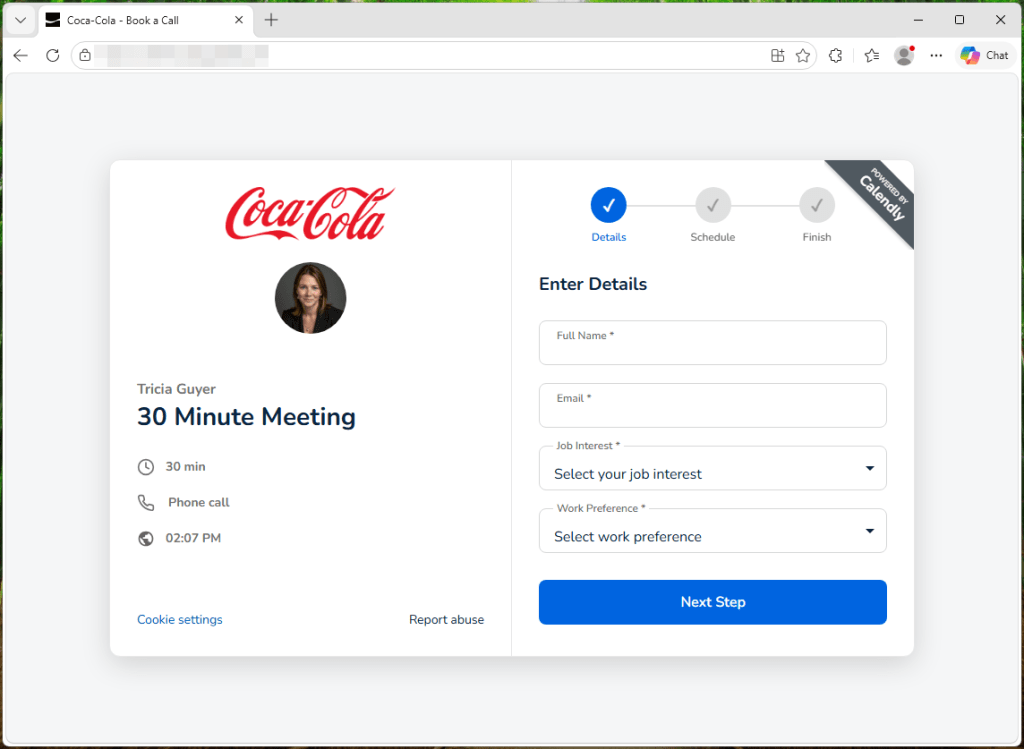
Malwarebytes details a wave of credential‑theft campaigns that lure victims with fake high‑profile job offers, directing them to counterfeit application portals that capture login details and install malware on the victim’s device.
The details:
- Phishers pose as recruiters from Coca‑Cola, Ferrari, and other brands.
- Malicious domain hrguxhellito281.onrender.com hosts credential‑stealing pages.
- User education and manual URL verification are recommended mitigations.
Why it matters:
Executive leadership must reinforce security awareness training and enforce URL verification policies, as compromised credentials provide attackers with footholds into privileged networks, increasing the risk of data exfiltration and lateral movement.
Read the original sourceCLOUD SECURITY3️⃣ TeamPCP Supply Chain Attack Hits 1,000+ SaaS Environments
ISC.SANS.EDU
The SANS diary reports a multi‑stage supply chain intrusion dubbed TeamPCP, which inserted malicious components into SaaS offerings, affecting more than 1,000 customers, and coincides with a pending CISA remediation deadline for a critical vulnerability.
The details:
- TeamPCP compromised the software supply chain of over a thousand SaaS providers.
- CERT‑EU linked the campaign to a European Commission cloud breach.
- CISA KEV deadline for CVE‑2026‑33634 is five days away, raising urgency.
Why it matters:
Supply chain threats amplify risk exposure across multiple tenants; timely patching of CVE‑2026‑33634 and continuous monitoring of third‑party code are essential to prevent cascading breaches in critical business services.
Read the original sourceTHREAT INTELLIGENCE4️⃣ TA416 China-Linked Campaign Targets EU Diplomatic Networks

THEHACKERNEWS.COM
The Hacker News outlines a China‑aligned threat actor, TA416, that has intensified operations against European government and diplomatic entities, leveraging sophisticated phishing and the PlugX trojan to harvest credentials and establish persistent access.
The details:
- TA416 combines PlugX malware with OAuth‑based phishing to compromise EU diplomats.
- Campaign overlaps with groups DarkPeony, RedDelta, and Vertigo Panda.
- Multiple waves of web bug and malware delivery have been observed since mid‑2025.
Why it matters:
Targeted attacks on diplomatic channels risk exposure of classified communications and geopolitical intelligence; organizations must enforce MFA, strict OAuth consent reviews, and proactive threat hunting to mitigate nation‑state intrusion attempts.
Read the original sourceMALWARE5️⃣ CanisterWorm Wiper Deploys Against Iranian Infrastructure

KREBSONSECURITY.COM
Krebs on Security reports the emergence of CanisterWorm, a destructive wiper that has begun targeting Iranian entities, employing file‑corruption techniques that cause permanent data loss and service disruption.
The details:
- CanisterWorm overwrites critical system files, rendering hosts inoperable.
- The wiper appears aimed at Iranian government and industrial networks.
- Early indicators suggest a coordination with broader regional cyber‑espionage.
Why it matters:
Wiper malware escalates the impact of cyber‑attacks from espionage to outright sabotage, compelling regional operators to harden backups, implement immutable storage, and monitor for early infection signatures.
Read the original sourceCOMPLIANCE6️⃣ Proposed $707M CISA Cut Raises Critical Infrastructure Risk
GO.THEREGISTER.COM
The Register covers a political effort to dramatically reduce funding for the Cybersecurity and Infrastructure Security Agency (CISA), highlighting concerns that the cut could weaken the United States' ability to manage and mitigate large‑scale cyber incidents.
The details:
- Proposed legislation would slash the CISA budget by $707 million.
- Reduced funding jeopardizes national cyber risk‑management programs.
- Potential downstream effects include slower vulnerability disclosures and weaker incident coordination.
Why it matters:
CISA plays a central role in coordinating vulnerability disclosures and protecting critical infrastructure; budget reductions could impair collective defense mechanisms, increasing the likelihood of unmitigated attacks on essential services.
Read the original sourceHUMAN FACTORS7️⃣ OWASP Retires Meetup Platform, Shifts Community Engagement

OWASP.ORG
OWASP's official blog informs the security community that its long‑standing Meetup platform is being retired, and future community gatherings will be coordinated through new digital forums and direct event listings.
The details:
- OWASP announces retirement of its Meetup platform after years of use.
- The organization will migrate events to alternative virtual and in‑person channels.
- Maintaining open‑source security collaboration remains a priority.
Why it matters:
Strong community collaboration underpins timely disclosure of vulnerabilities; ensuring seamless transition to alternative engagement channels is vital for maintaining momentum in open‑source security research and rapid response.
Read the original sourceAI SECURITY8️⃣ OpenClaw AI Agents Weaponized with Reverse Shells & Cognitive Rootkits

BLOG.VIRUSTOTAL.COM
VirusTotal’s blog details how the rapidly growing OpenClaw AI agent ecosystem is being abused by threat actors to distribute sophisticated malware, including reverse shells, semantic worms, and adaptive cognitive rootkits that evade traditional defenses.
The details:
- OpenClaw AI agents have been repurposed to deliver reverse shells and semantic worms.
- Malware now leverages cognitive rootkits that adapt to sandbox analysis.
- VirusTotal introduced detection signatures for these AI‑driven payloads.
Why it matters:
The weaponization of AI agents expands the attack surface, enabling automated, adaptive payload delivery; security teams must incorporate AI‑aware detection strategies and monitor abnormal agent behavior to prevent large‑scale infections.
Read the original sourceDATA BREACHES9️⃣ Student Loan Data Breach Reveals 2.5M Records

THREATPOST.COM
ThreatPost reports a breach of a major student loan servicer that resulted in the exposure of 2.5 million individuals' sensitive data, raising concerns about identity theft and financial fraud targeting borrowers.
The details:
- A breach exposed personal and financial data of 2.5 million borrowers.
- Compromised information includes Social Security numbers, loan balances, and contact details.
- Regulators may pursue penalties under data‑protection statutes.
Why it matters:
Large‑scale personal data leaks increase the threat of credential stuffing and fraudulent loan applications; organizations must enforce strict access controls, monitor for misuse, and support affected consumers with remediation services.
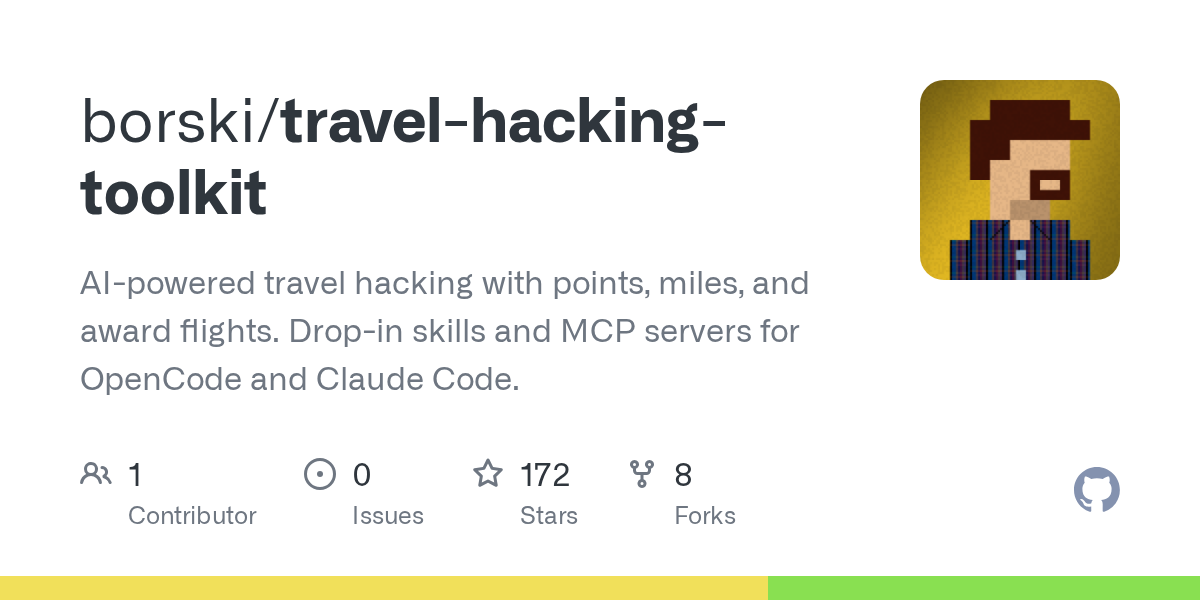
Read the original sourceAI SECURITY🔟 AI-Powered Travel Hacking Toolkit Raises Abuse Concerns
GITHUB.COM
A GitHub repository introduces an AI‑driven travel hacking toolkit that automates points accumulation and itinerary optimization, offering powerful capabilities that could be repurposed for illicit activities such as fraud against travel rewards programs.
The details:
- The open‑source toolkit uses AI to optimize points searches and trip planning.
- Potential misuse includes automated fare scraping and fraudulent loyalty program exploitation.
- Developers are urged to implement safeguards and responsible use guidelines.
Why it matters:
AI tools that facilitate large‑scale data scraping and automation can be weaponized for financial fraud; security professionals should assess risk, enforce usage policies, and collaborate with platforms to detect abusive patterns.
Stay vigilant and keep your defenses aligned with emerging threats.
Member discussion