QR Code Phishing Turns Smartphones Into New Attack Vectors
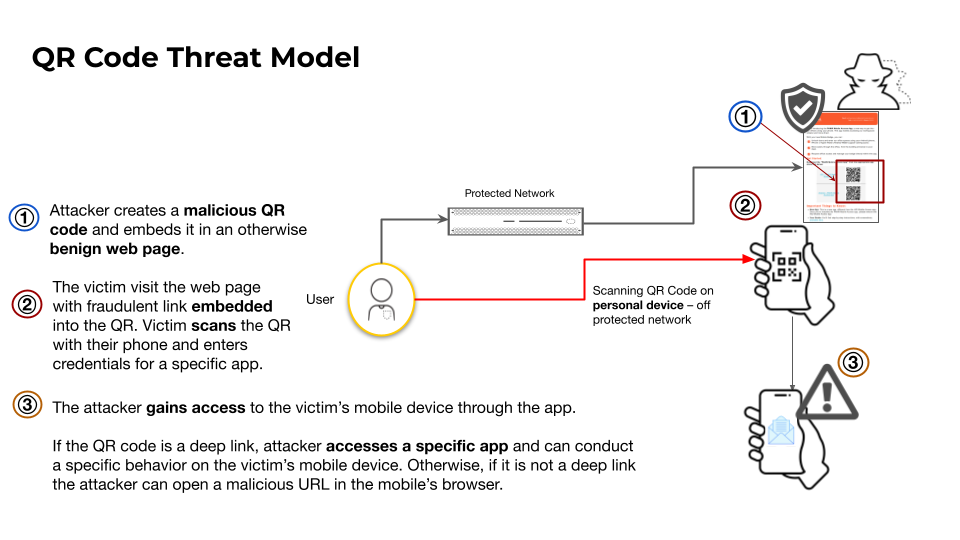
Researchers observed threat actors embedding malicious URLs in QR codes that, when scanned, direct victims to credential‑harvesting webpages or automatically launch vulnerable deep‑link schemes on mobile operating systems. By leveraging the convenience of QR‑based payments, signage, and marketing material, attackers sidestep traditional email filters and broaden the phishing surface to any physical or digital location where a code can be displayed.
The consequences include rapid credential theft, silent installation of mobile malware, and exploitation of unpatched app‑to‑app communication pathways. Defenders must expand threat‑intel collection to cover QR‑code distribution channels, enforce URL reputation checks on scanning apps, and educate users about verifying destinations before scanning. Implementing deep‑link validation and restricting automatic launches can cut off this emerging vector before it gains traction.
Categories: Security Culture & Human Factors, Malware & Ransomware, AI Security & Threats
Source: Read original article



Member discussion