QR Code Phishing Expands Mobile and Web Attack Surface
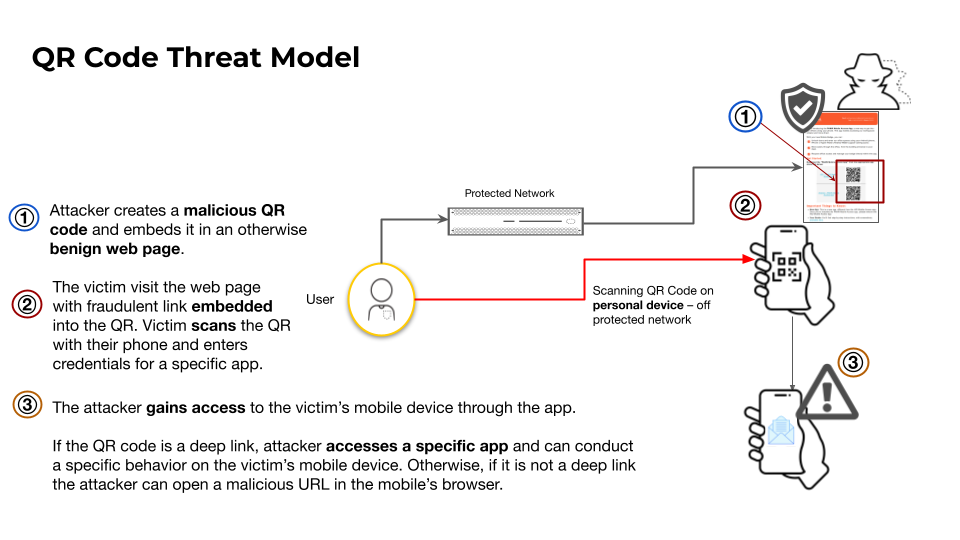
Threat actors are increasingly embedding malicious URLs in QR codes, allowing them to sidestep traditional network and email filters. When users scan these codes with a smartphone, the device is redirected to a phishing site that harvests credentials or to a payload server that drops malware. Attackers often leverage deep‑linking techniques to trigger vulnerable app functions, turning a simple scan into a full‑blown compromise.
The impact ranges from credential theft and ransomware deployment to the exploitation of unpatched mobile applications, widening the overall attack surface for both mobile and web environments. Defenders must treat QR codes as a vector comparable to email links: enforce URL reputation checks, deploy mobile threat‑defense solutions, validate deep‑link intents, and educate users to verify QR sources before scanning.
Categories: Malware & Ransomware, Security Culture & Human Factors, AI Security & Threats
Source: Read original article



Member discussion