OpenClaw Evolves: Reverse Shells, Semantic Worms, and AI‑Built Rootkits
Threat actors have taken the open‑source OpenClaw framework and added a suite of advanced capabilities. New modules embed reverse
OpenClaw AI Agents Hijacked to Push Malware via Malicious Skills
Threat actors have begun weaponizing OpenClaw’s AI agents by publishing counterfeit “skills” that direct victims to download and execute
New Android Timing Flaw Lets Attackers Unlock Phones in Under 60 Seconds
A recently disclosed Android vulnerability exploits a timing mismatch in the lock‑screen authentication module. By sending specially crafted authentication
Microsoft Authenticator stores OTPs insecurely, risking MFA token theft
Researchers found that specific releases of the Microsoft Authenticator app write generated one‑time passwords to an unprotected location on
IoT Devices Auto‑Login as Admin Open Lateral Paths in Critical Infrastructure
A recent SANS diary entry documented multiple incidents where Internet‑of‑Things (IoT) endpoints—such as smart sensors, cameras, and
GreyNoise Threat Intel Now Built Into CrowdStrike Falcon
CrowdStrike has integrated GreyNoise’s IP reputation service directly into the Falcon platform. The partnership streams real‑time “internet background
GreyNoise + Google Cloud SecOps: Real‑Time Blocklists Boost Defender Efficiency
GreyNoise has launched a native integration with Google Cloud SecOps, feeding its “internet background noise” intelligence directly into Google’s
AI‑driven attacks and credential leaks spike risk 🚨. Integrated threat intel restores control 🤝
Good morning, March 12 2026. Here’s today’s top cyber and AI threat updates.
Today's headlines
* GreyNoise
Google’s Groundsource Turns News Into Real‑Time Disaster Intel
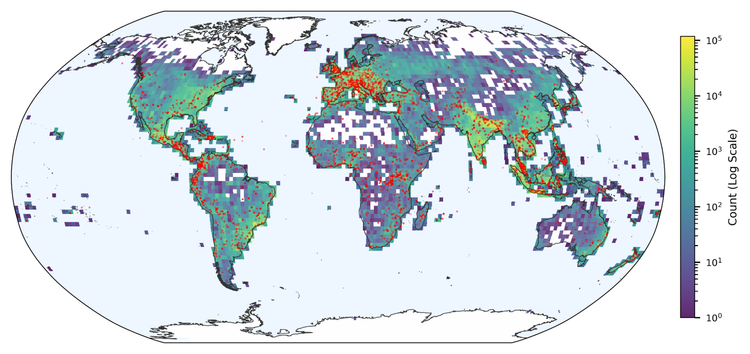
Google Research announced Groundsource, a new pipeline that feeds the Gemini large‑language model with live news feeds and automatically
Spike in IoT Scans and New Exploit Kits Signal Rising Threat Landscape
On March 12 the ISC observed a sharp increase in network sweeps targeting IoT devices, alongside a resurgence of low‑